How Does LCL Consolidation Save Money for Small Importers?
For many small and growing businesses, importing goods internationally can be challenging because shipping costs are often designed around large cargo volumes. Renting an entire container may not make financial sense when a business only needs to transport a few pallets or cartons.
This is where LCL consolidation becomes a practical solution.
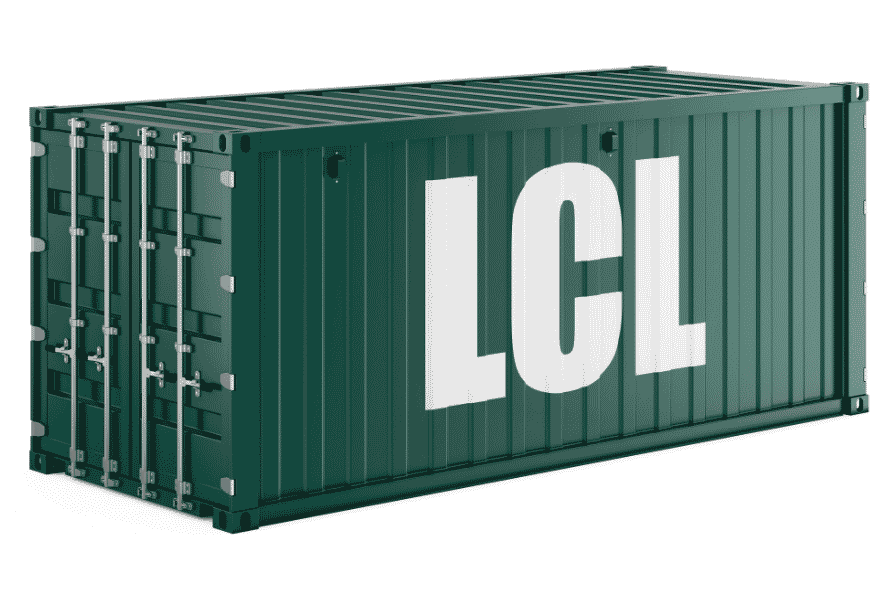
LCL, or Less than Container Load, allows multiple importers to share space inside one shipping container. Instead of paying for an entire container, each importer pays only for the space their cargo occupies.
For small importers bringing goods into Tanzania from China, India, Dubai, and other international markets, LCL consolidation can significantly reduce freight costs while providing access to global shipping networks.
Easy Clearing & Forwarding (ECF) helps small businesses simplify LCL imports by coordinating cargo consolidation, freight forwarding, customs clearance, and delivery through the Port of Dar es Salaam.
What Is LCL Consolidation?
LCL means Less than Container Load.
Under normal container shipping, one company may rent an entire container, known as:
- Full Container Load (FCL)
However, many small businesses do not have enough cargo to fill a full container.
With LCL consolidation:
- Several importers share one container
- Each shipment is packed separately
- Shipping costs are divided among cargo owners
- Importers pay based on their cargo volume or weight
This makes international shipping more affordable for smaller shipments.
Why Small Importers Choose LCL Shipping
Small businesses often face challenges such as:
- Limited purchasing power
- Smaller inventory requirements
- High upfront shipping costs
- Unpredictable customer demand
LCL allows businesses to import smaller quantities without waiting until they have enough goods to fill a complete container.
Examples of businesses that benefit from LCL include:
- Retail shops
- Online sellers
- Startups
- Spare parts dealers
- Electronics businesses
- Small manufacturers
How LCL Consolidation Saves Money
1. You Pay Only for the Space You Use
The biggest advantage of LCL consolidation is cost sharing.
With FCL shipping, an importer pays for:
- Entire container rental
- Full container transportation
- Container-related charges
Even if the container is only partially filled, the importer still pays the full cost.
With LCL:
- Your cargo is measured
- Your share of costs is calculated
- You only pay for the space occupied
This makes shipping more affordable for smaller shipments.
2. Lower Initial Investment
Importing large quantities requires more money upfront.
Businesses must invest in:
- More products
- Larger freight costs
- Additional storage space
LCL allows businesses to test new products, import smaller quantities, and manage cash flow more effectively.
This is especially useful for:
- New businesses
- Seasonal products
- Product testing
- Market expansion
3. Reduced Inventory Costs
Large shipments can create inventory challenges.
Importing too much stock can result in:
- Higher storage expenses
- Slow-moving inventory
- Increased business risk
LCL allows businesses to maintain more flexible inventory levels by ordering smaller quantities more frequently.
4. Access to International Suppliers
Some businesses avoid importing internationally because they believe shipping requires large volumes.
LCL removes this barrier by allowing smaller businesses to buy from overseas suppliers without needing a full container.
This gives small importers access to:
- Chinese manufacturers
- International wholesalers
- Global suppliers
5. Better Cash Flow Management
Cash flow is critical for small businesses.
Instead of investing a large amount in one shipment, LCL enables businesses to spread purchasing and transportation costs over smaller shipments.
This helps businesses:
- Manage working capital
- Maintain regular stock supply
- Reduce financial pressure
LCL vs FCL: Which Is Better?
| LCL Consolidation | FCL Shipping |
|---|
| Best for small shipments | Best for large shipments |
| Pay for used space | Pay for entire container |
| Lower upfront cost | Higher upfront investment |
| Flexible ordering | Better for bulk imports |
| Longer handling process | Faster container movement |
The best option depends on cargo volume, delivery requirements, and business objectives.
Factors to Consider Before Choosing LCL
Although LCL offers cost savings, businesses should consider:
Shipment Volume
LCL is usually suitable for smaller cargo volumes that do not require a full container.
Delivery Timeline
Because multiple shipments share container space, LCL may involve additional consolidation and deconsolidation processes.
Cargo Type
Certain goods may require special handling or may be better suited for dedicated container shipping.
The LCL Import Process
The typical process includes:
Step 1: Supplier Ships Cargo to Consolidation Warehouse
The supplier delivers goods to a warehouse where shipments from different importers are combined.
↓
Step 2: Container Loading
Multiple shipments are loaded into one container.
↓
Step 3: International Transportation
The container is shipped to Tanzania.
↓
Step 4: Arrival and Customs Clearance
Cargo undergoes customs procedures at the destination.
↓
Step 5: Cargo Collection and Delivery
Each shipment is separated and delivered to the respective importer.
How ECF Helps Small Importers with LCL Consolidation
Managing LCL shipments requires coordination between suppliers, warehouses, shipping lines, and customs authorities.
Easy Clearing & Forwarding (ECF) supports small importers by providing:
- LCL consolidation coordination
- Supplier pickup arrangements
- International freight forwarding
- Shipping documentation support
- Customs clearance
- Cargo delivery assistance
Our team helps businesses avoid common mistakes, including incorrect documentation, customs delays, and unexpected charges.
Through professional logistics management, ECF helps small importers access international trade opportunities without the cost of a full container shipment.
Common Mistakes Small Importers Make
Small businesses often experience problems when they:
- Choose shipping methods without comparing costs
- Ignore additional destination charges
- Prepare incomplete documents
- Fail to estimate customs duties
- Work with unreliable logistics providers
Professional guidance helps ensure smoother and more predictable imports.
Frequently Asked Questions
What does LCL mean in shipping?
LCL means Less than Container Load, where multiple importers share container space and pay based on their cargo volume.
Is LCL cheaper than FCL?
For small shipments, LCL is usually more affordable because importers only pay for the space they use instead of paying for a full container.
Who should use LCL shipping?
LCL is ideal for small importers, startups, retailers, and businesses importing quantities that do not fill a complete container.
Can ECF arrange LCL shipments?
Yes. ECF helps businesses manage LCL consolidation, freight forwarding, customs clearance, and final delivery in Tanzania.
Conclusion
LCL consolidation provides an affordable way for small importers to participate in international trade without the financial burden of booking an entire container.
By sharing container space, reducing upfront costs, and improving cash flow management, LCL allows businesses to import smaller quantities while still accessing global suppliers.
For businesses importing into Tanzania, Easy Clearing & Forwarding (ECF) provides professional LCL consolidation, freight forwarding, and customs clearance services to simplify the entire import process.
Whether you are importing from China, Dubai, India, or other markets, ECF helps small businesses move cargo efficiently and cost-effectively.