Freight Forwarding vs Clearing Agent: What’s the Difference?
Businesses involved in international trade often hear the terms freight forwarding and clearing agent used together. While both services are essential for importing and exporting goods, they perform different roles within the supply chain.
Understanding the difference can help businesses choose the right logistics partner and avoid delays during shipping and customs clearance. At ECF, we provide both freight forwarding and customs clearance services, ensuring cargo moves efficiently through the Port of Dar es Salaam and other entry points in Tanzania.
What Is Freight Forwarding?
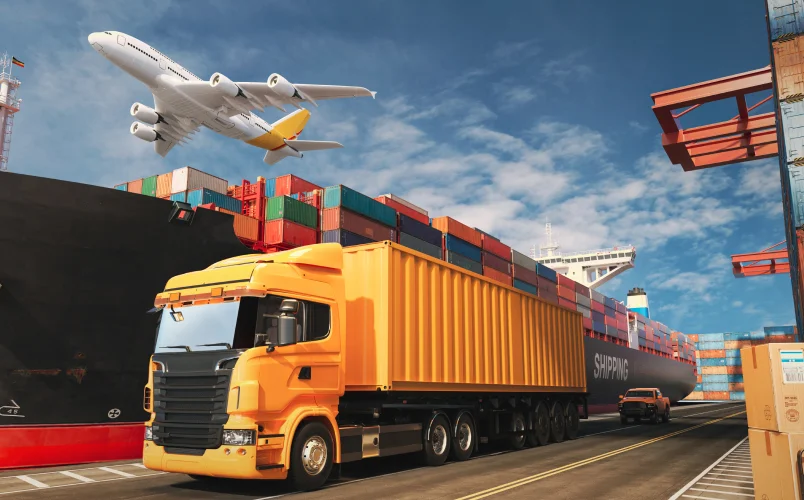
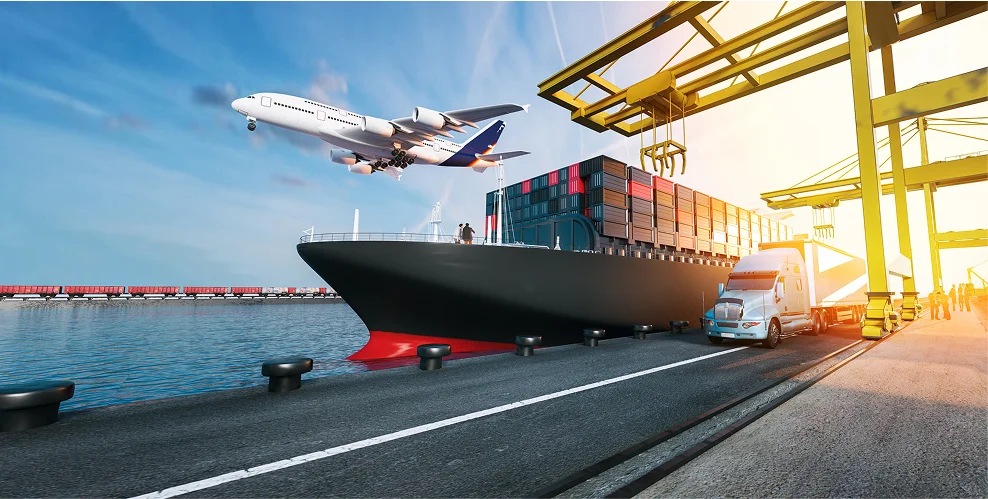
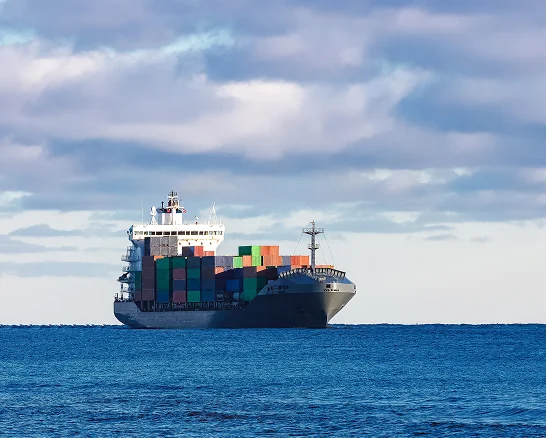
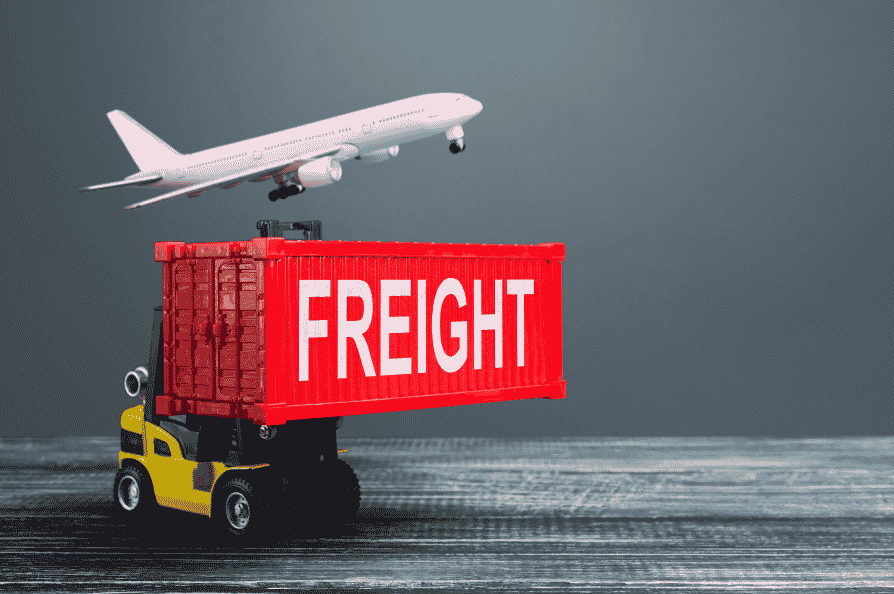
A freight forwarder is responsible for organizing the transportation of goods from one country to another. They coordinate the movement of cargo by sea, air, rail, or road and work with shipping lines, airlines, and transport companies to ensure goods reach their destination safely.
Typical freight forwarding services include:
- Booking cargo space
- Selecting shipping routes
- Coordinating international transportation
- Preparing shipping documents
- Cargo tracking
- Warehousing coordination
- Cargo insurance assistance
Freight forwarders act as logistics coordinators, helping businesses move goods across borders efficiently.
What Is a Clearing Agent?
A clearing agent specializes in customs procedures and ensures imported or exported goods comply with government regulations.
Their responsibilities include:
- Preparing customs declarations
- Processing import and export documentation
- Calculating customs duties and taxes
- Coordinating customs inspections
- Obtaining cargo release
- Ensuring compliance with customs laws
Without customs clearance, imported cargo cannot legally leave the port or airport.
The Key Difference
Although the services are closely related, their primary responsibilities differ.
| Freight Forwarder | Clearing Agent |
|---|
| Organizes transportation | Handles customs clearance |
| Coordinates shipping | Processes customs documentation |
| Books cargo space | Calculates duties and taxes |
| Tracks shipments | Obtains cargo release |
| Works with carriers | Works with customs authorities |
Many businesses benefit from working with a company that offers both services, reducing the need to coordinate multiple providers.
How They Work Together
Imagine a company importing manufacturing equipment into Tanzania.
The freight forwarder:
- Arranges overseas shipping
- Books container space
- Coordinates international transport
- Tracks the shipment
When the cargo arrives at the Port of Dar es Salaam, the clearing agent:
- Prepares customs documentation
- Declares the shipment
- Coordinates inspections
- Pays duties (on behalf of the client, where agreed)
- Secures cargo release
Together, these services ensure goods move smoothly from the supplier to the importer.
Why Businesses Need Both Services
Managing international logistics involves multiple stakeholders, including shipping companies, customs authorities, transport providers, and regulatory agencies.
Using professional freight forwarding and customs clearance services offers several benefits:
- Faster cargo movement
- Reduced paperwork errors
- Compliance with customs regulations
- Lower risk of shipment delays
- Better shipment visibility
- Improved supply chain efficiency
This allows businesses to focus on their core operations while logistics professionals handle the transportation and customs processes.
Why Choose ECF?
ECF provides integrated logistics solutions that combine freight forwarding and customs clearance under one trusted partner.
Our services include:
- Sea Freight Forwarding
- Air Freight Forwarding
- Road Transport Coordination
- Import Customs Clearance
- Export Customs Clearance
- Cargo Documentation
- Logistics Consultancy
- Cargo Tracking Support
By managing both transportation and customs procedures, we simplify international trade for businesses across Tanzania and East Africa.
Common Mistakes Businesses Make
Many importers experience unnecessary delays because they:
- Assume freight forwarders automatically handle customs clearance
- Submit incomplete documentation
- Misclassify goods for customs purposes
- Delay duty payments
- Choose logistics providers without local customs expertise
Working with an experienced company such as ECF helps reduce these risks and ensures compliance throughout the shipping process.
Frequently Asked Questions
Can one company provide both freight forwarding and customs clearance?
Yes. Many professional logistics companies, including ECF, offer both services to provide a seamless experience for clients.
Do I need a clearing agent if I already have a freight forwarder?
Yes. Unless your freight forwarder also provides customs brokerage or clearing services, a clearing agent is still required to complete customs procedures.
Which service should I arrange first?
Most businesses begin by organizing freight forwarding, followed by customs clearance arrangements before the shipment arrives. Working with a single provider that manages both services simplifies the process.
Conclusion
Freight forwarding and customs clearance are different but equally important parts of international trade. Freight forwarding focuses on transporting goods across borders, while clearing agents ensure shipments comply with customs regulations and are released efficiently.
Choosing a logistics partner that offers both services helps reduce delays, improve communication, and streamline your supply chain.
Whether you’re importing machinery, exporting agricultural products, or managing commercial cargo through the Port of Dar es Salaam, ECF provides reliable freight forwarding and customs clearance services tailored to your business needs.
Contact ECF today to learn how our integrated logistics solutions can support your next shipment.