Export Process in Tanzania: Step-by-Step Guide for Businesses
Exporting goods from Tanzania opens doors to regional and international markets, helping businesses expand their customer base and increase revenue. However, successful exports require careful planning, proper documentation, and compliance with customs regulations.
Whether you are exporting agricultural products, minerals, manufactured goods, textiles, or consumer products, understanding the export process is essential for ensuring your cargo leaves Tanzania efficiently.
At ECF, we help businesses manage every stage of the export journey, from documentation preparation to customs clearance and freight forwarding through the Port of Dar es Salaam.
Why Understanding the Export Process Matters
Exporting goods involves more than loading cargo onto a ship or aircraft. Businesses must comply with customs regulations, prepare accurate documentation, and coordinate logistics with multiple stakeholders.
A well-managed export process helps businesses:
- Avoid shipment delays
- Meet international trade requirements
- Reduce unnecessary costs
- Improve customer satisfaction
- Maintain compliance with customs regulations
Working with an experienced clearing and forwarding company can simplify these procedures and reduce operational risks.
Step 1: Confirm Export Requirements
Before shipping goods, exporters should determine whether the products require:
- Export permits
- Product certifications
- Inspection certificates
- Country-specific documentation
- Health or phytosanitary certificates (where applicable)
Understanding these requirements before shipping helps prevent delays.
Step 2: Prepare Export Documents
Accurate documentation is essential for customs clearance.
Typical export documents include:
Commercial Invoice
Contains:
- Buyer and seller information
- Product descriptions
- Quantity
- Value
- Payment terms
Packing List
Includes:
- Package details
- Weight
- Dimensions
- Number of cartons or containers
Bill of Lading or Air Waybill
Serves as the transportation document issued by the carrier.
Certificate of Origin
Confirms where the goods were produced or manufactured.
Some destination countries require this document for preferential tariff treatment.
Export Permits
Certain regulated products require government authorization before export.
Step 3: Book Freight Transportation
Once documentation is ready, freight transportation must be arranged.
Businesses may choose:
Sea Freight
Ideal for:
- Large shipments
- Heavy cargo
- Containers
- Bulk goods
Air Freight
Suitable for:
- Urgent shipments
- High-value goods
- Perishable products
Choosing the appropriate transportation method depends on cost, delivery timeline, and cargo type.
Step 4: Customs Declaration
A customs declaration is submitted before the goods leave Tanzania.
This declaration includes:
- Product descriptions
- HS Codes
- Shipment value
- Country of destination
- Export documentation
Accurate declarations help ensure a smooth customs process.
Step 5: Customs Inspection
Depending on the shipment, customs authorities may inspect the cargo to verify that:
- Documentation is accurate
- Goods match declarations
- Export regulations have been followed
Most compliant shipments proceed without significant delays.
Step 6: Cargo Loading and Departure
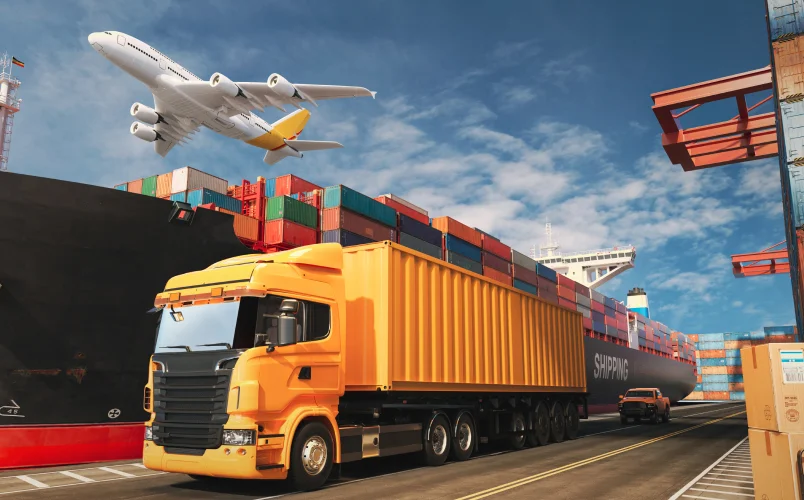
After customs approval, cargo is released for loading onto the selected vessel or aircraft.
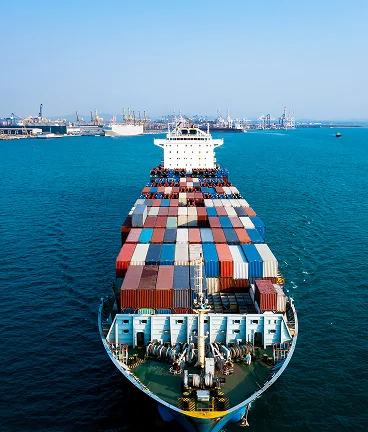
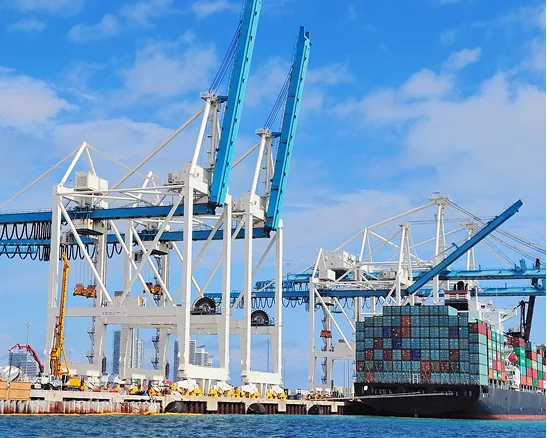
For sea freight, shipments are typically loaded through the Port of Dar es Salaam, Tanzania’s largest maritime gateway.
Once loaded, the carrier transports the goods to the destination country according to the agreed shipping schedule.
Common Export Challenges
Businesses may encounter several obstacles during the export process, including:
- Incomplete documentation
- Incorrect HS Code classification
- Delayed freight bookings
- Missing export permits
- Customs compliance issues
- Communication gaps between logistics providers
These challenges can often be minimized through careful planning and professional support.
How ECF Supports Exporters
ECF provides comprehensive export logistics solutions to simplify international trade.
Our services include:
- Export Documentation
- Customs Clearance
- Freight Forwarding
- Cargo Coordination
- Shipping Advice
- Logistics Consultancy
- Inland Transport Coordination
We work closely with exporters to ensure shipments comply with Tanzanian regulations while reaching international markets efficiently.
Tips for Successful Exporting
To improve export efficiency:
✅ Prepare all documents before booking shipments.
✅ Confirm destination country requirements.
✅ Use accurate HS Codes.
✅ Book freight early during peak shipping seasons.
✅ Partner with an experienced clearing and forwarding company.
These best practices help reduce delays and improve supply chain reliability.
Frequently Asked Questions
What documents are required to export goods from Tanzania?
The required documents generally include a Commercial Invoice, Packing List, Bill of Lading or Air Waybill, Certificate of Origin, and any permits or certificates applicable to the goods being exported.
How long does export clearance take?
Export clearance timelines vary depending on the type of goods, documentation accuracy, and customs requirements. Complete and accurate documentation generally speeds up the process.
Can ECF handle both export clearance and freight forwarding?
Yes. ECF provides integrated export logistics solutions, including documentation support, customs clearance, and freight forwarding services.
Why Choose ECF?
Businesses choose ECF because we offer:
- Professional customs expertise
- Reliable freight forwarding solutions
- Experienced logistics support
- Efficient cargo coordination
- Transparent communication
- Customer-focused service
Our goal is to simplify international trade and help businesses move cargo with confidence.
Conclusion
Exporting goods from Tanzania requires proper planning, accurate documentation, and compliance with customs regulations. By understanding each step of the export process and partnering with an experienced logistics provider, businesses can reduce delays, improve efficiency, and reach international markets successfully.
ECF is committed to helping exporters manage customs clearance, freight forwarding, and cargo coordination through the Port of Dar es Salaam and beyond.
Whether you are shipping locally produced goods or expanding into new global markets, our team is ready to support your export journey every step of the way.