Import Process Through the Port of Dar es Salaam: A Complete Guide
The Port of Dar es Salaam is Tanzania’s principal maritime gateway and one of East Africa’s busiest ports. It handles millions of tonnes of cargo every year, serving not only Tanzania but also neighboring countries such as Zambia, Rwanda, Burundi, Uganda, Malawi, and the Democratic Republic of the Congo.
For businesses importing goods, understanding the import process helps reduce delays, avoid unnecessary costs, and ensure compliance with customs regulations. In this guide, ECF explains each stage of the import journey—from shipment arrival to final cargo delivery.
Why the Port of Dar es Salaam Is Important
The Port of Dar es Salaam plays a vital role in regional trade by connecting East Africa to international shipping routes. It supports imports of machinery, vehicles, construction materials, consumer products, industrial equipment, and agricultural supplies.
Its strategic location makes it the preferred port for many businesses operating across East and Central Africa.
Step 1: Prepare Your Import Documents
Successful cargo clearance begins with accurate documentation. Before your shipment arrives, ensure you have:
- Commercial Invoice
- Packing List
- Bill of Lading or Air Waybill
- Certificate of Origin (if applicable)
- Import Permit (for regulated goods)
- Tax Identification Number (TIN)
Missing or inaccurate documents can delay customs processing and increase storage costs.
Step 2: Cargo Arrival at the Port
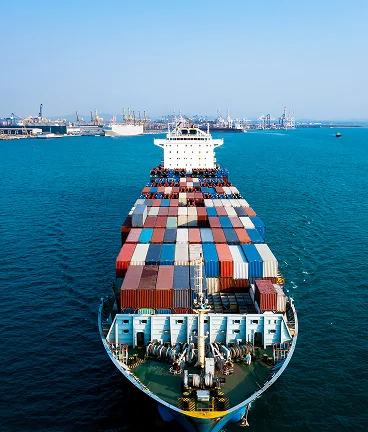
Once your shipment reaches the port, it is unloaded and registered within the port management system. At this stage, your clearing and forwarding agent monitors the shipment and prepares the necessary customs documentation.
Timely coordination helps reduce unnecessary waiting time and keeps the import process moving efficiently.
Step 3: Customs Declaration
Your clearing agent submits an electronic customs declaration to the relevant authorities, providing details such as:
- Cargo description
- Quantity
- Value
- Harmonized System (HS) code
- Country of origin
The accuracy of this declaration is essential, as it determines the applicable duties and taxes.
Customs authorities assess the declaration and may inspect the shipment depending on its risk profile. The inspection verifies that the goods match the submitted documentation.
When documentation is complete and accurate, many shipments proceed through the clearance process without significant delays.
Step 5: Duty and Tax Payment
Importers must settle all applicable government charges before cargo is released. These may include:
- Import Duty
- Value Added Tax (VAT)
- Excise Duty (where applicable)
- Other statutory fees
Prompt payment helps avoid additional storage charges and keeps the supply chain on schedule.
Step 6: Cargo Release
After customs approval and payment confirmation, the cargo is released from the port. Depending on the shipment, it may then be transported by road or rail to warehouses, factories, distribution centers, or retail locations across Tanzania and neighboring countries.
Common Challenges Importers Face
Many businesses encounter avoidable problems during the import process, including:
- Incomplete documentation
- Incorrect tariff classification
- Delayed duty payments
- Customs compliance issues
- Port storage and demurrage charges
Partnering with an experienced clearing and forwarding company helps minimize these risks.
How ECF Simplifies the Import Process
At ECF, we provide end-to-end import support to help businesses move goods efficiently through the Port of Dar es Salaam.
Our services include:
- Import Customs Clearance
- Documentation Preparation
- Freight Forwarding
- Cargo Tracking
- Port Coordination
- Inland Transportation Support
Our experienced team works closely with clients to ensure shipments comply with customs requirements while reducing delays and unnecessary costs.
Tips for Faster Cargo Clearance
To improve the efficiency of your imports:
- Prepare all documents before shipment arrival.
- Work with an experienced clearing agent.
- Classify goods correctly using the appropriate HS codes.
- Pay duties and taxes promptly.
- Maintain clear communication with your logistics partner.
These practices help reduce delays and improve overall supply chain performance.
Conclusion
Importing goods through the Port of Dar es Salaam can be a smooth and efficient process when managed correctly. Proper documentation, compliance with customs regulations, and professional logistics support are key to ensuring timely cargo delivery.
Whether you are importing machinery, consumer goods, industrial equipment, or commercial cargo, ECF provides reliable clearing and forwarding services designed to simplify every stage of the import process.
Contact ECF today to learn how our experienced team can support your import operations and help your business move goods with confidence.
Frequently Asked Questions
How long does import clearance take at the Port of Dar es Salaam?
Most shipments are cleared within a few working days, provided all documentation is complete and duties are paid on time. The exact timeframe depends on the type of cargo and whether an inspection is required.
Can ECF handle both commercial and personal imports?
Yes. ECF provides customs clearance and freight forwarding services for businesses as well as individuals importing eligible goods.
Why should I use a clearing agent?
A professional clearing agent helps ensure compliance with customs regulations, prepares accurate documentation, coordinates inspections, and reduces the likelihood of costly delays.